

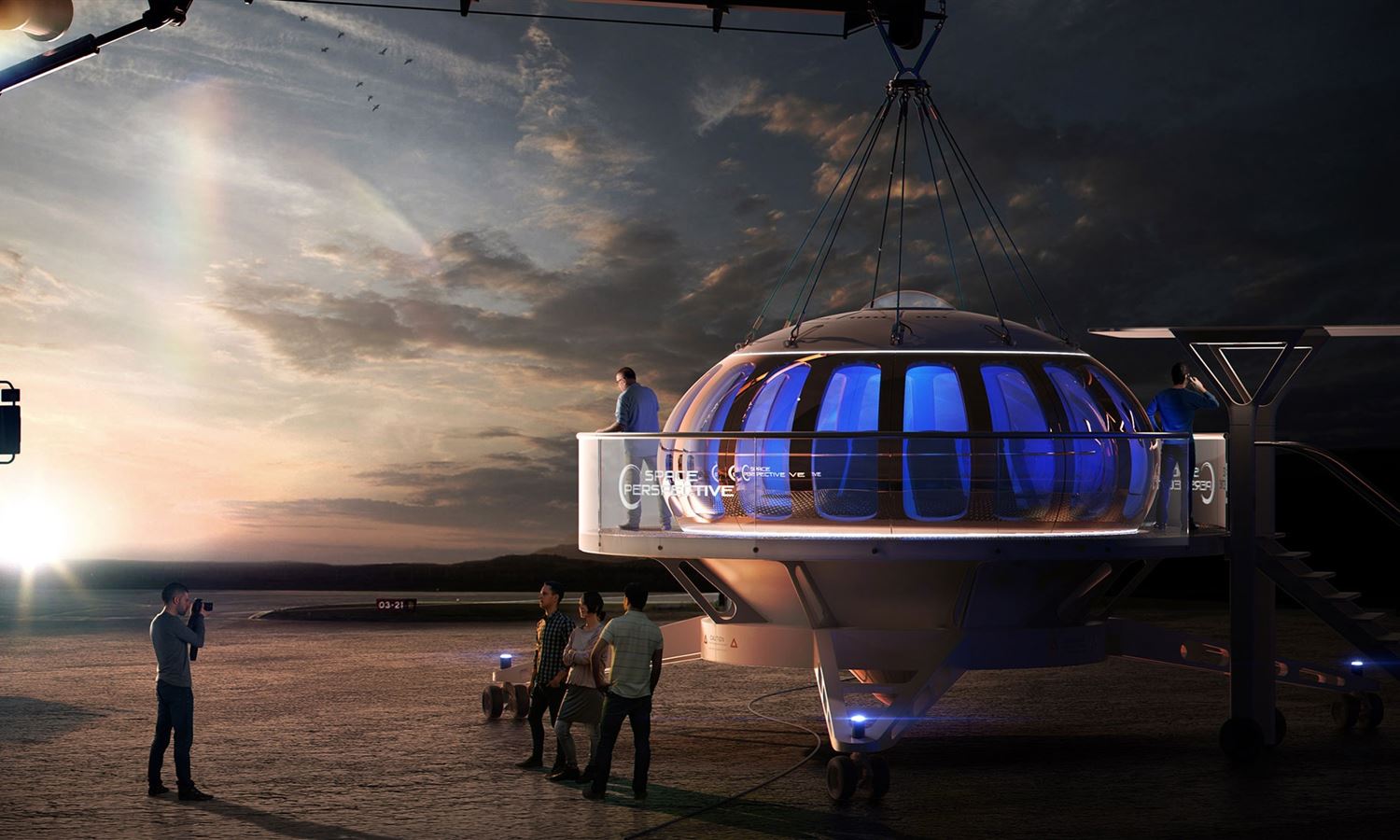
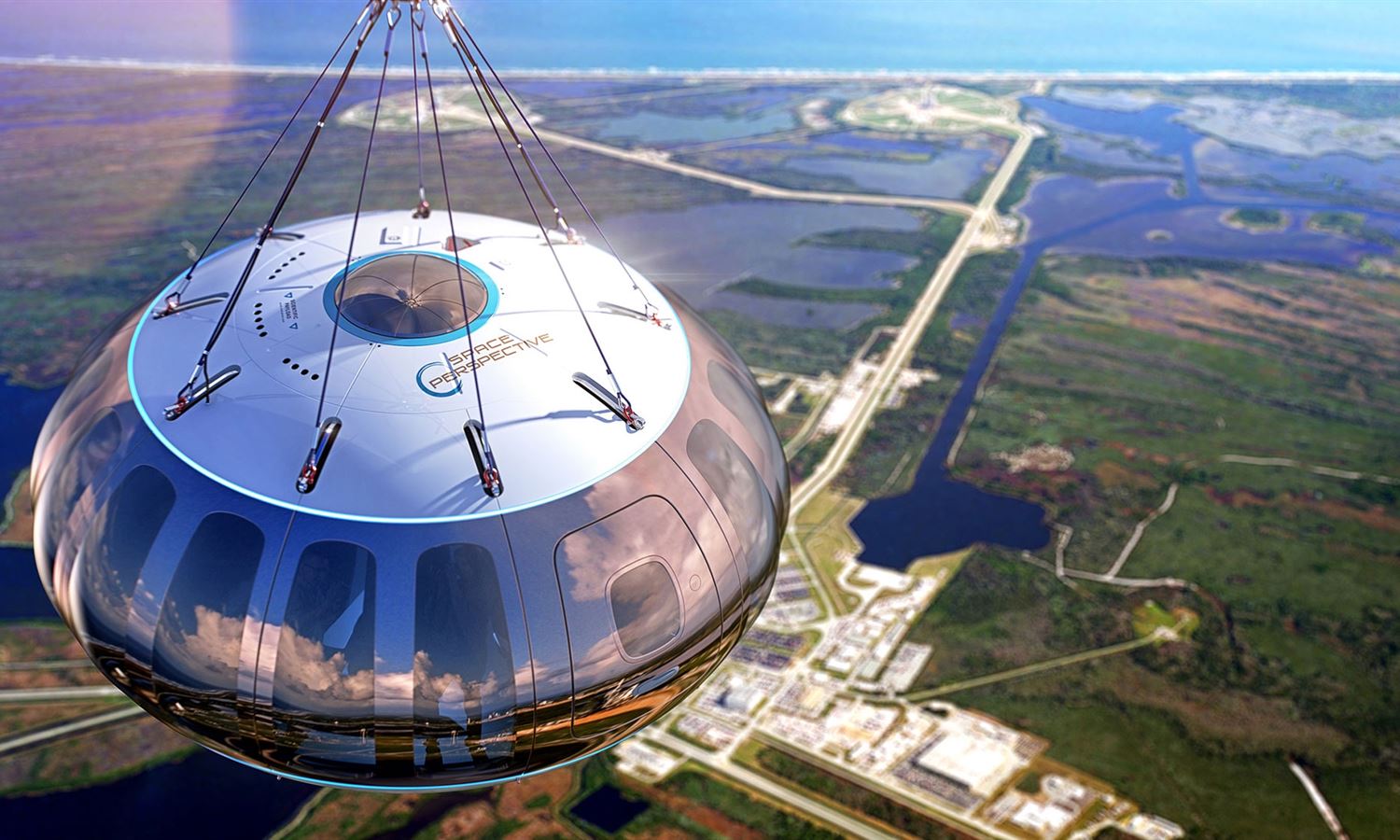
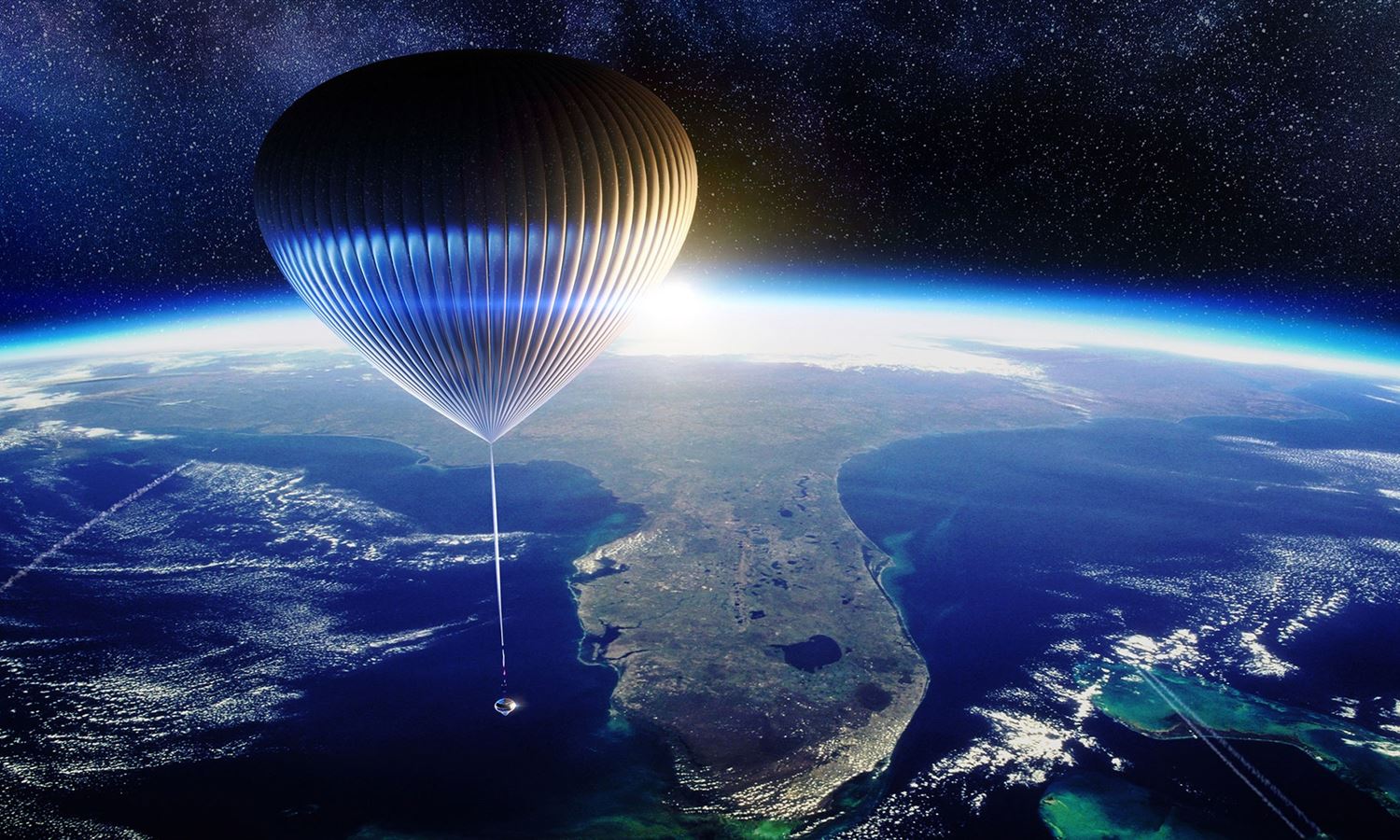
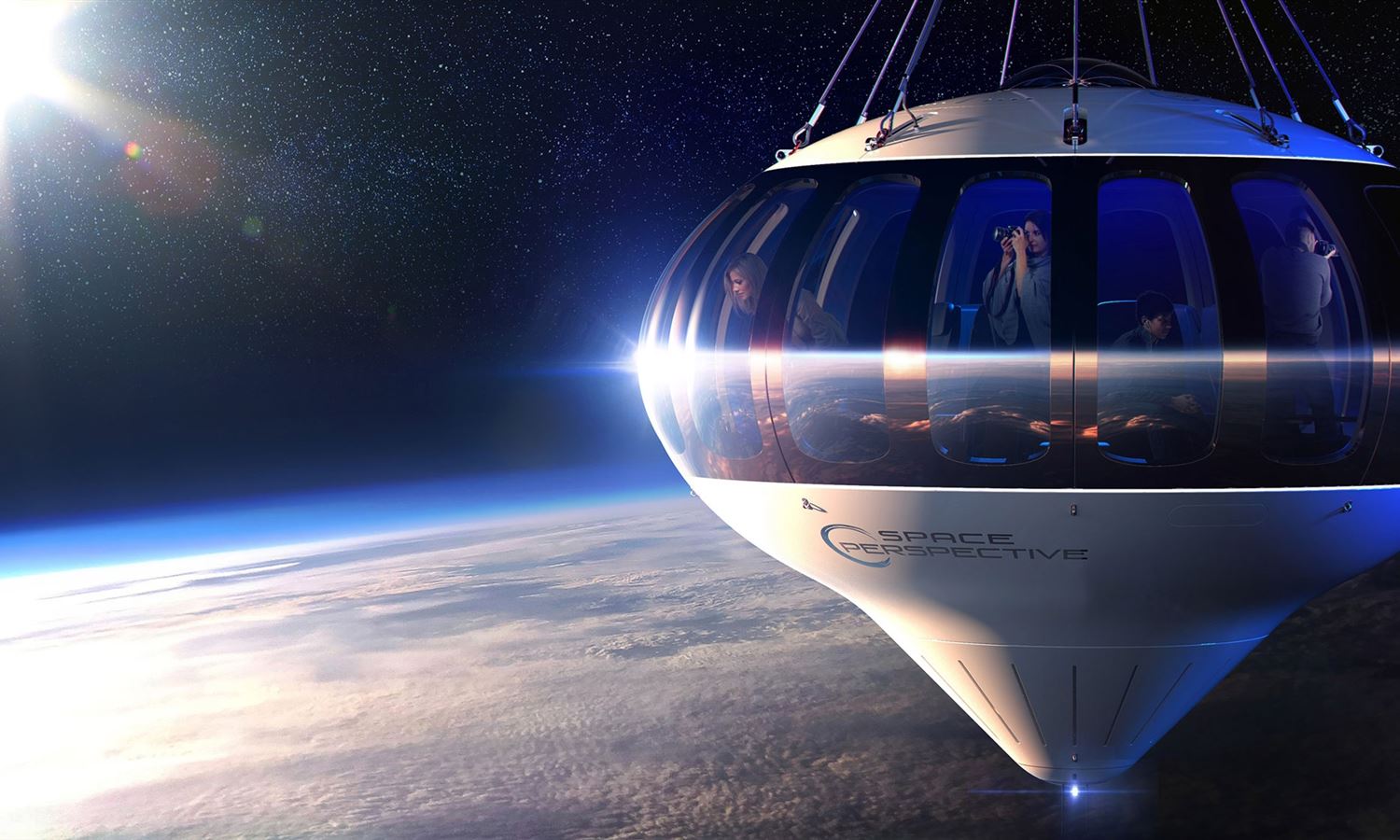
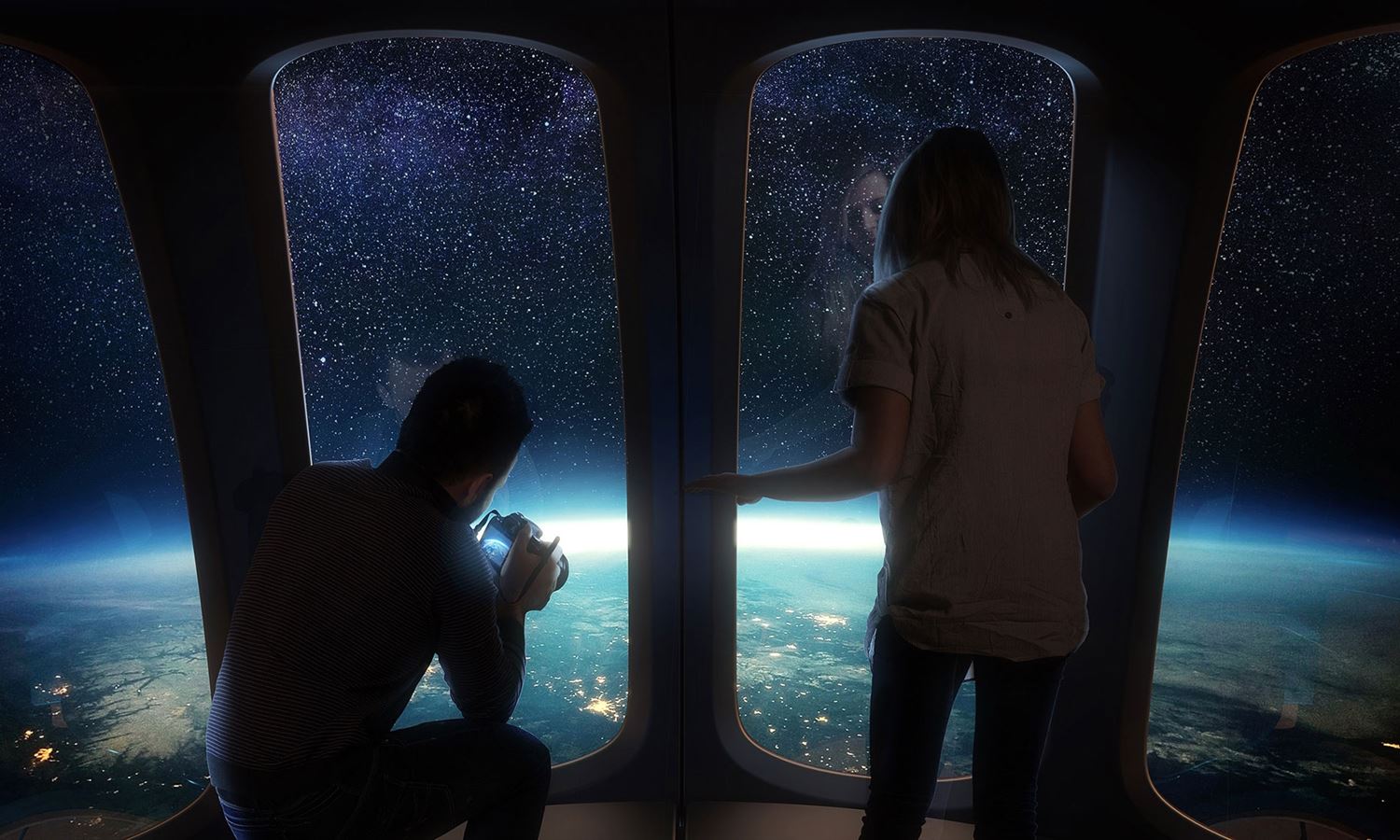
The two-part spaceship is comprised of a four-metre-tall and five-metre-wide pressurised pod, which is attached to a giant high-altitude balloon.
The journey would see a pilot launch from the Shuttle Landing Facility at NASA's Kennedy Space Center in Florida, to fly passengers on a two-hour ascent above 99 per cent of the earth's atmosphere to 100,000 feet (around 30,000 metres).
Here it will cruise above the earth for up to two hours, to enable voyagers to take in the view and record the experience.
The craft will then embark on a two-hour descent under the balloon before landing in the Atlantic ocean, where a ship will collect the passengers, the capsule and the balloon and transport them back to land.
Although these journeys didn't happen, the company has scheduled Neptune's first test flight to take place in early 2021, without any passengers, but with a group of research payloads onboard.
Once a place where sea, desert, and palm groves coexisted in rare harmony, Tunisia’s Gabès Oasis stands today as one of the world’s most fragile cultural-environmental sites. At its heart is artist Mohamed Amine Hamouda, whose ecological practice offers a form of resistance—one built on memory, materials, and a return to ancestral knowledge.
Set along the quiet coastline of Kalba, Of Land and Water unfolds as more than an exhibition—it becomes a meditation on everything that moves, settles, erodes, and transforms. Drawing from the Sharjah Art Foundation Collection, the show assembles large-scale works that explore how land and sea shape identity, memory, and the fragile geographies we call home.
n November 2025, Ab-Anbar Gallery in London hosted A Cosmogram of Holy Views, a powerful exhibition by Palestinian artist and architect Dima Srouji. The show resurfaced suppressed histories, reconfigured inherited mythologies, and reclaimed the sacred through material memory and craft.